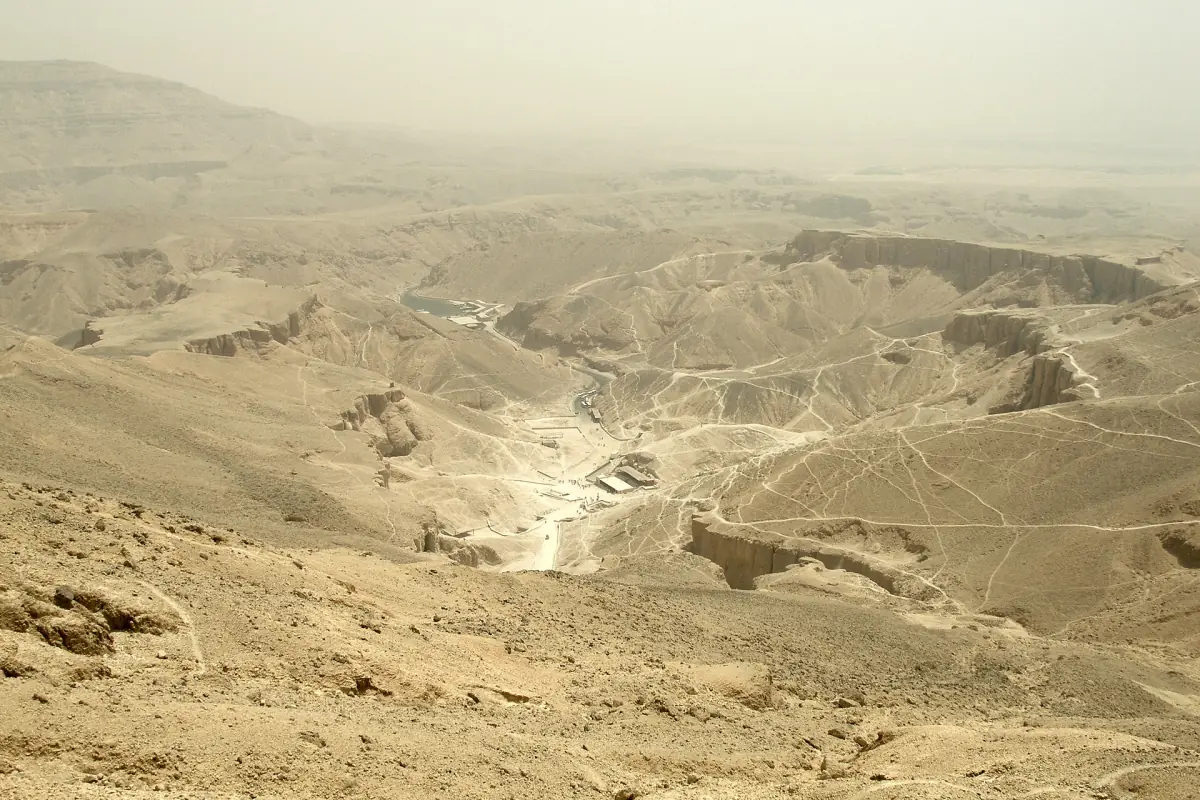
The Valley of the Kings in short
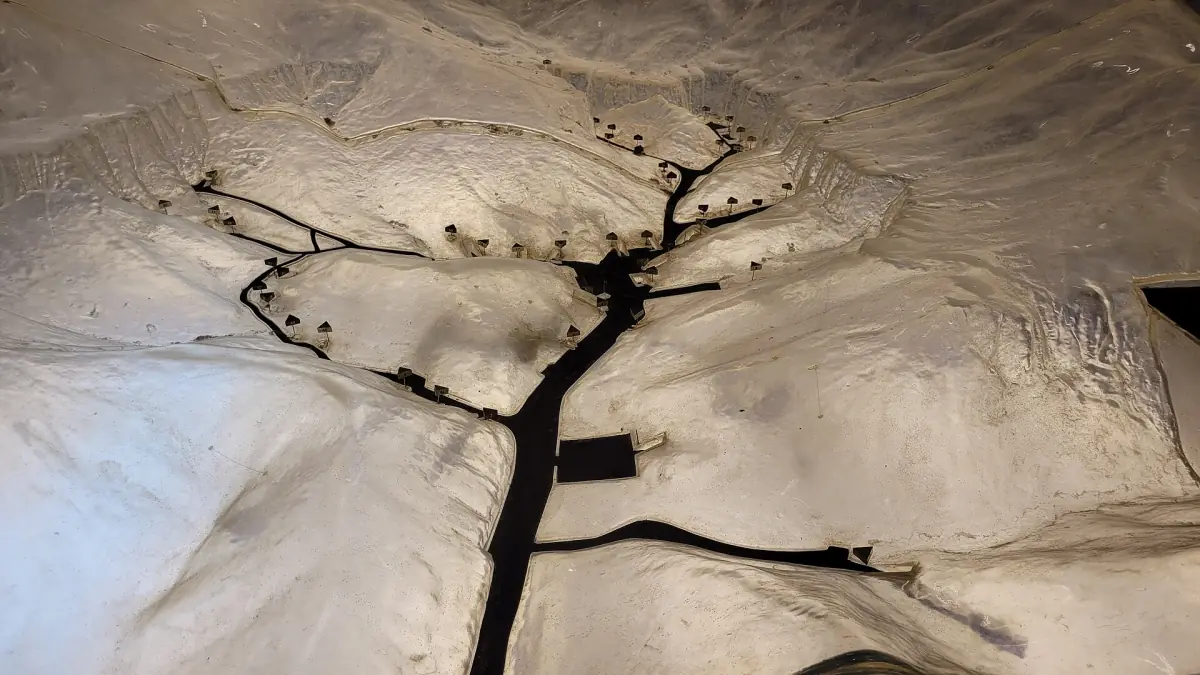
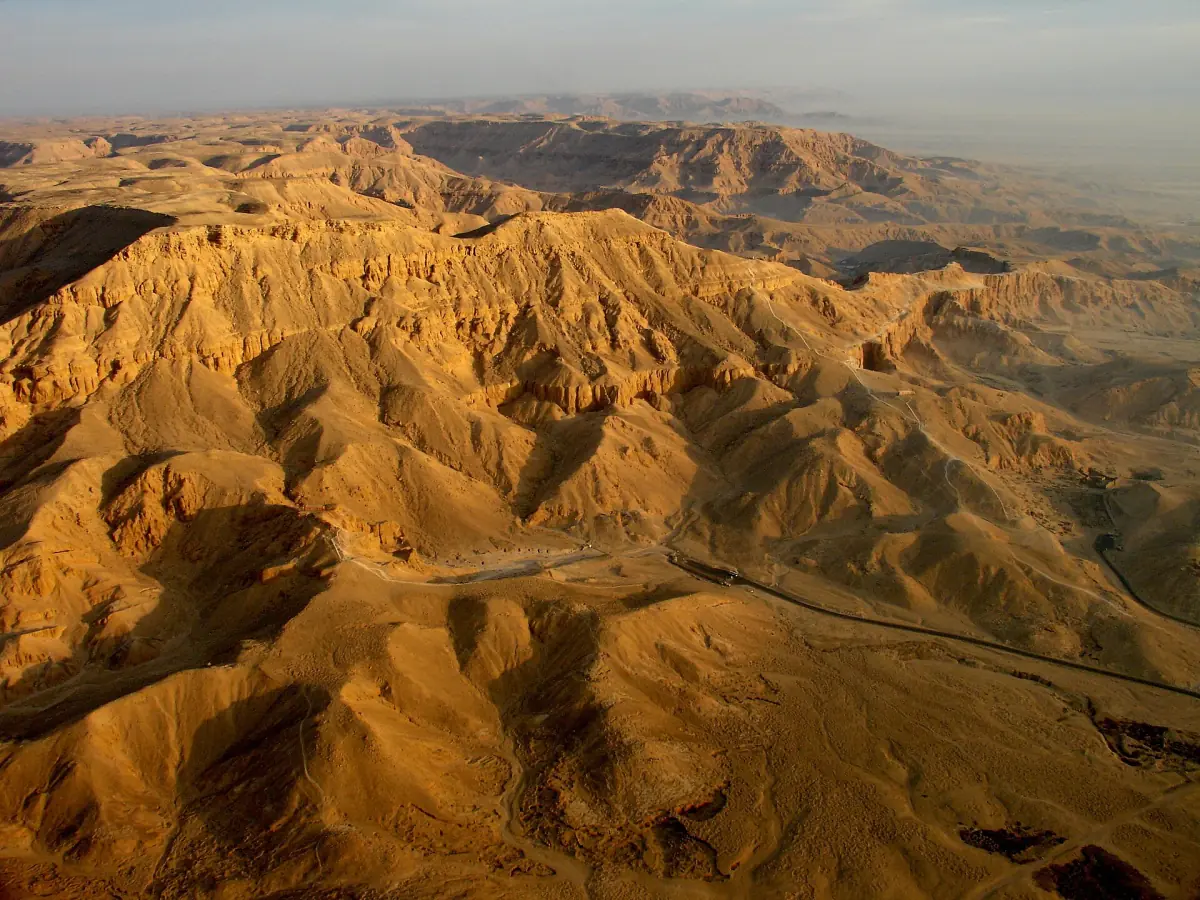
The Valley of the Kings lies in the desert hills on the West Bank of the Nile at Luxor, the ancient Thebes. For kings of the New Kingdom, the period from about 1550 to 1069 BC, it replaced the big freestanding pyramids with tombs cut deep into the rock. The New Kingdom covers the 18th to the 20th Dynasty. That is the span of the whole epoch, not the time any single tomb was in use.
Thutmose I is the first king of the New Kingdom who was buried here with certainty. The valley is part of the World Heritage site Ancient Thebes with its Necropolis, inscribed in 1979. The queens' valley and the mortuary temples are separate sites with their own tickets. If you plan to go inside, start with our guide to Valley of the Kings tickets.
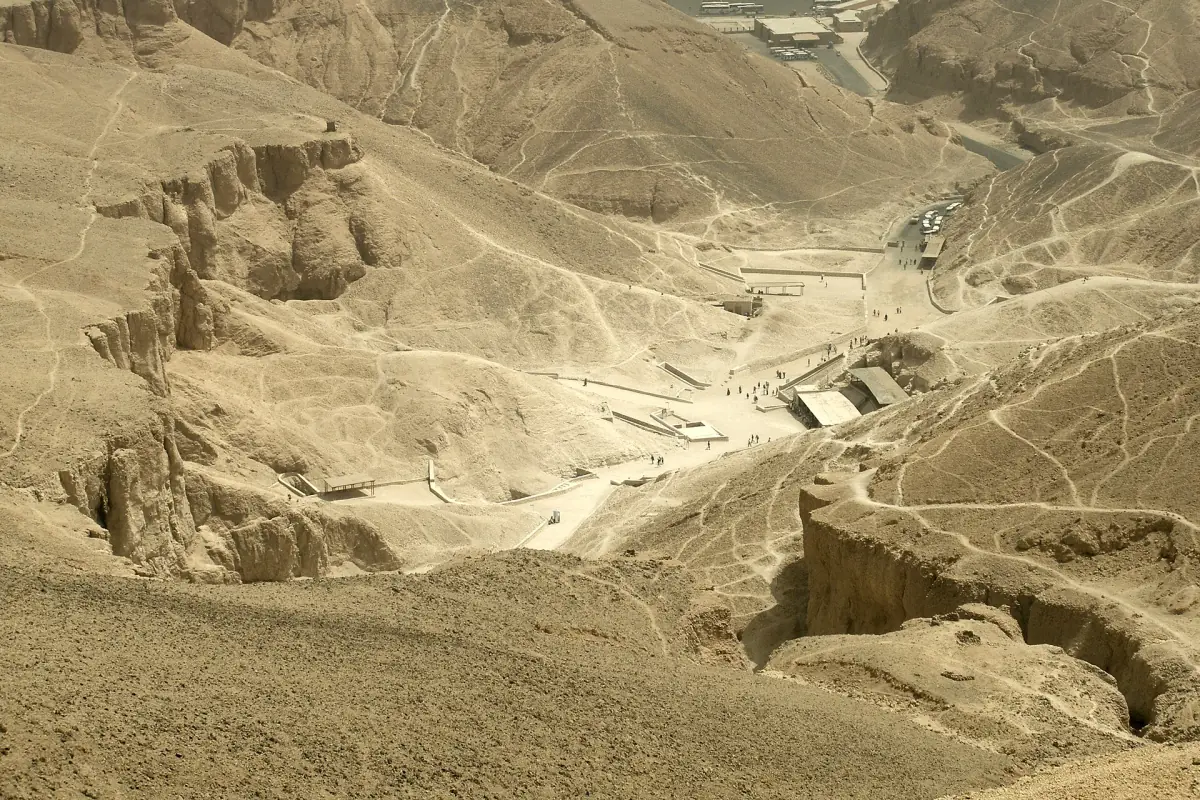
Why the kings were buried here
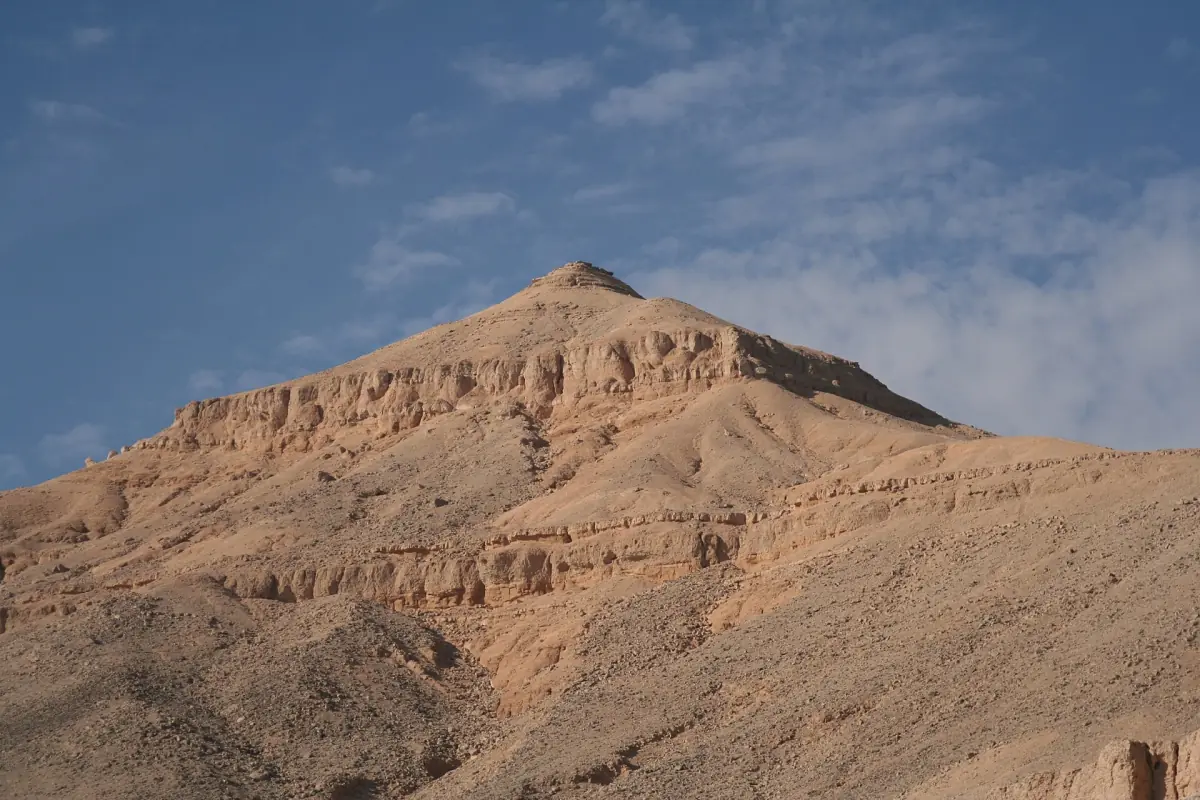
The site offered three things. It is a withdrawn desert valley. Tombs could be cut into the rock and hidden. And the west had religious meaning, as did the pyramid-shaped peak of el-Qurn above the valley.
Hidden did not mean safe. Tomb robbery already happened in antiquity, and the secret location did not stop all of it. For the numbers behind the valley, see our Valley of the Kings facts.
Our pick: the story with an Egyptologist
Our take: a private Egyptologist explains the tombs in front of them.
Hand-picked tours, booked through GetYourGuide. Prices are indicative starting prices in US dollars (as of October 2026). Tap a tour for live availability and the current price in your currency.
Valley of the Kings tours and West Bank day trips
Guided visits to the Valley of the Kings, often combined with Hatshepsut's temple and the Colossi of Memnon, with live prices and availability.
Key moments in the valley's story
From the first royal burials to the tombs you can visit.
The first royal tombs
With Thutmose I the valley became a place for royal burial, and later kings of the 18th to 20th Dynasty followed. Tomb numbers such as KV62 belong to a numbering system. They do not tell you how many tombs are open to visitors today.
The Ramesside tombs
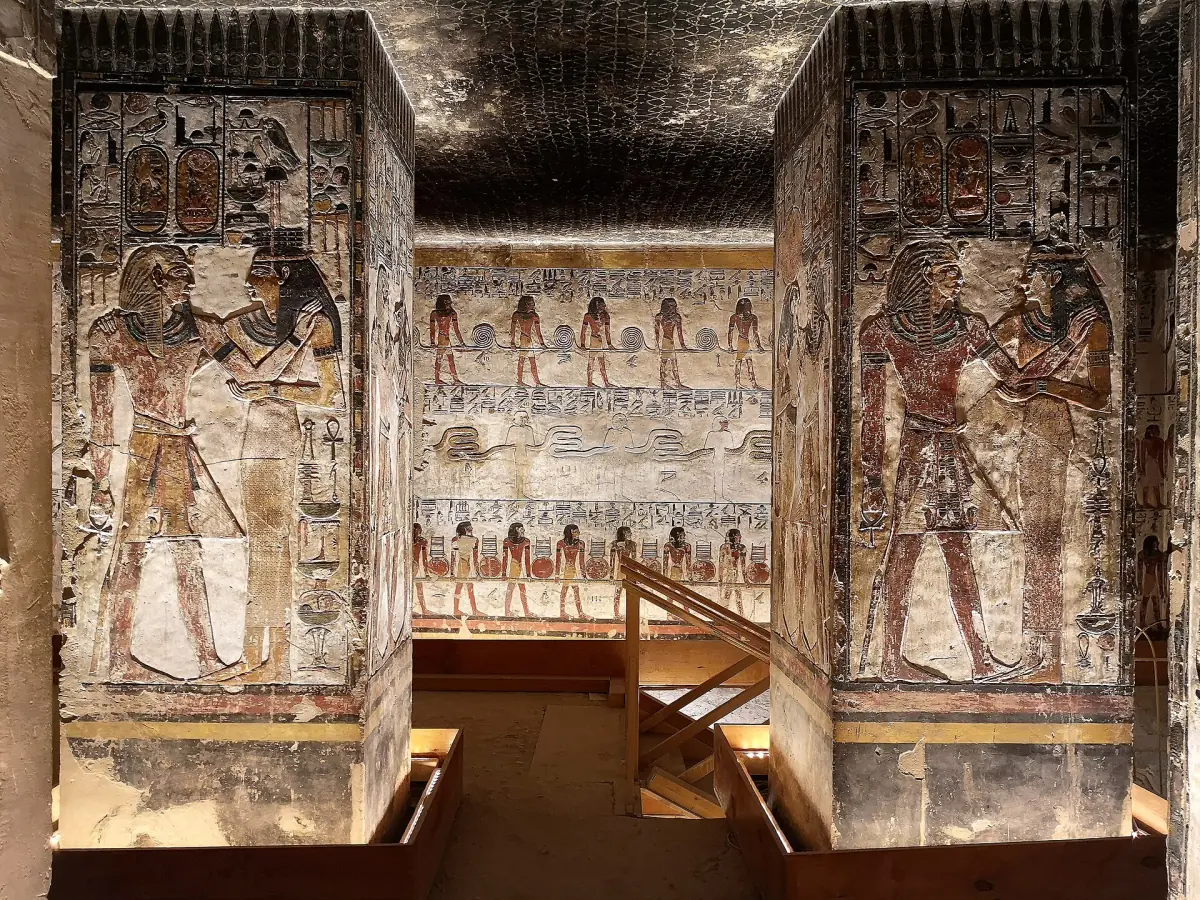
Sethos I has the first tomb in the valley that is decorated from end to end, KV17. KV9 was begun by Ramesses V and extended by Ramesses VI, with a straight corridor and ceilings that show the sky and the books of the underworld. Our best tombs guide shows which are worth the time.
The workers' village
Deir el-Medina on the West Bank was the settlement and burial place of the workers on the royal tombs. It is one of the stops in our West Bank guide.
Robbers and reburials
Robbery goes back to antiquity. Claims that a royal tomb was never disturbed are stronger than the evidence usually allows, so read them with care.
1922: Carter and the tomb of Tutankhamun
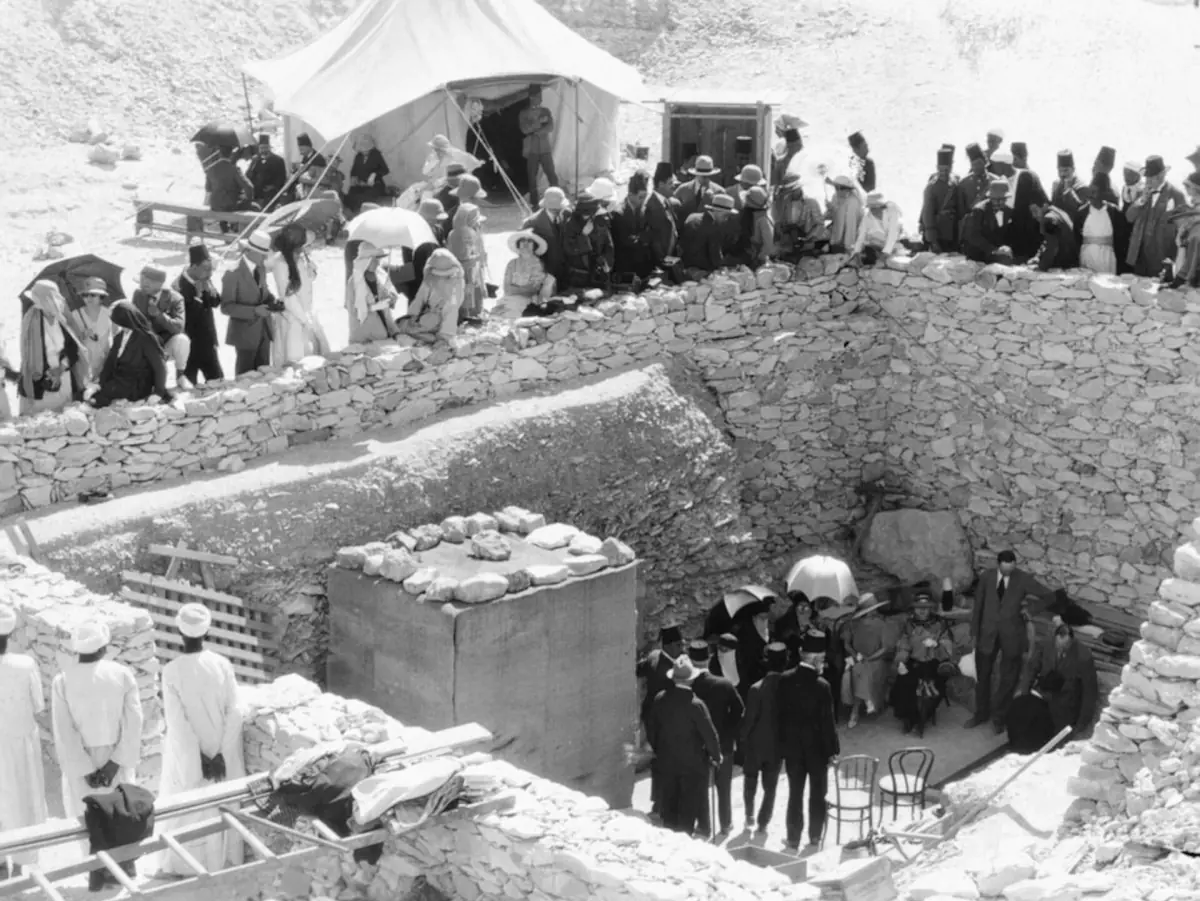
The dates are easy to mix up, so here they are one by one. On 4 November 1922 the first step of the tomb was found. On 26 November 1922 Howard Carter looked through a small opening into the first chamber. On 16 February 1923 the burial chamber was opened.
Carter led the excavation, but he did not work alone. Egyptian and international team members took part, and Lord Carnarvon funded the work. The tomb was found in relatively good condition, with about 5,000 objects. That is a strong statement already, but it is not quite the same as completely untouched.
Tutankhamun ruled for only about nine years, roughly 1336 to 1327 BC. Chronologies differ between scholars, so treat these as approximate dates. His tomb, KV62, is small compared with many other royal tombs. For what you can see inside today, read our Tutankhamun tomb guide.
Where the finds are today
Tomb and museum are two different visits.
In the tomb
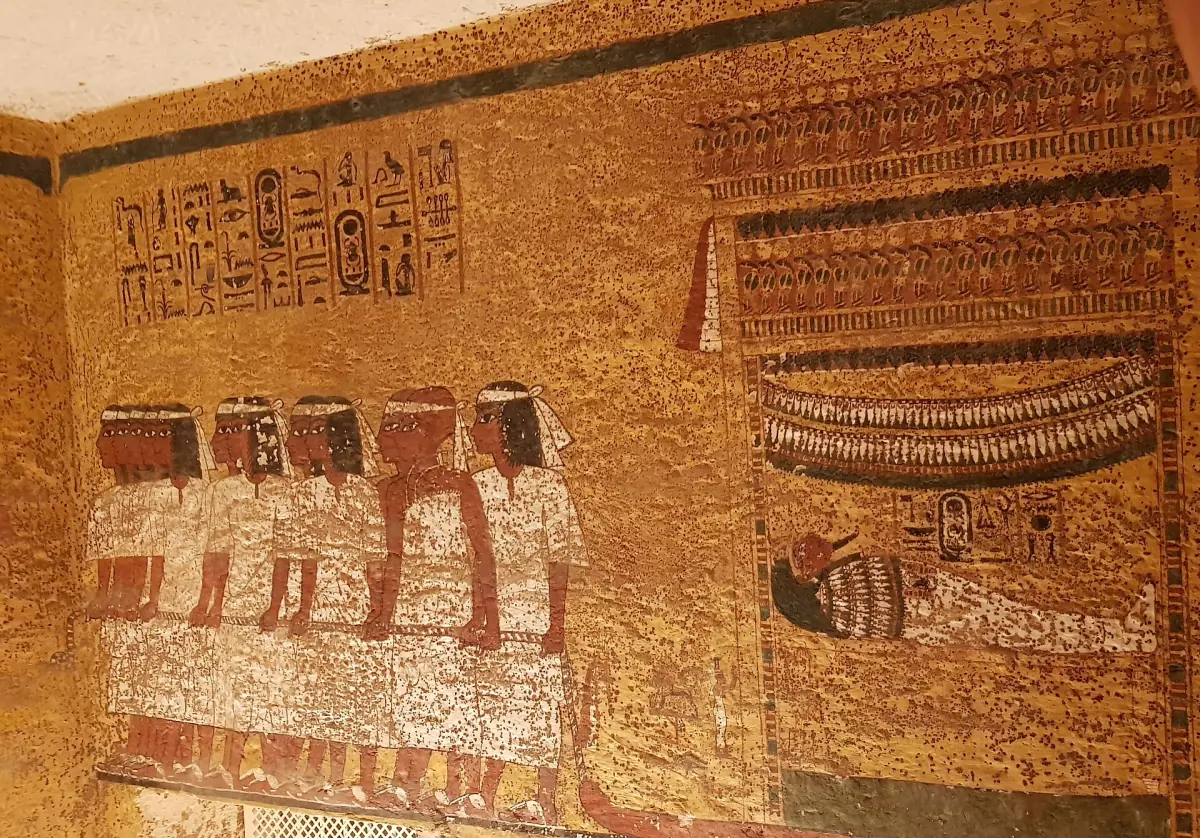
KV62 has painted walls in the burial chamber only, with scenes of the burial, meetings with gods and a scene from the Amduat. Tutankhamun's mummy lies in the tomb in a glass case.
In the museum
The Grand Egyptian Museum near Giza opened fully to the public in 2025 and holds the Tutankhamun galleries, including the outer coffin. The grave goods are not in Luxor. Giza has its own guide at Giza Plateau.
New finds
Research continues. The tomb of Thutmose II, called C4, lies in a side wadi about 2.4 km west of the valley, and its entrance was found in 2022. It must not be confused with KV34 of Thutmose III. It is a find for archaeologists, not a stop on the visitor route.
The rest of Thebes
Temples like Karnak belong to the east bank story of the same city. They have their own guide at Karnak Temple.
Keep exploring
Tombs, numbers and the neighbouring sites.
Valley of the Kings history: frequently asked questions
Why is it called the Valley of the Kings?
Because the kings of the New Kingdom were buried here in rock-cut tombs. The valley is part of the Theban necropolis on the West Bank of the Nile at Luxor.
Who found Tutankhamun's tomb?
Howard Carter led the excavation in 1922, with Lord Carnarvon as sponsor and Egyptian and international team members. The first step was found on 4 November 1922 and the burial chamber was opened on 16 February 1923.
Was Tutankhamun's tomb untouched?
It was found in relatively good condition with about 5,000 objects, but it is better described as largely intact than completely untouched.
Is the treasure still in the tomb?
No. The Tutankhamun galleries, including the outer coffin, are in the Grand Egyptian Museum near Giza. The mummy remains in the tomb in Luxor.
Is this the official site of the Valley of the Kings?
No. This is an independent guide. It is not run by or connected to Egyptian authorities, museums or site operators.